

Motion Picture: James Wan on Building The Disney of Horror, The AI Debate Continues at ‘AI On The Lot’
ava threat - prince williams
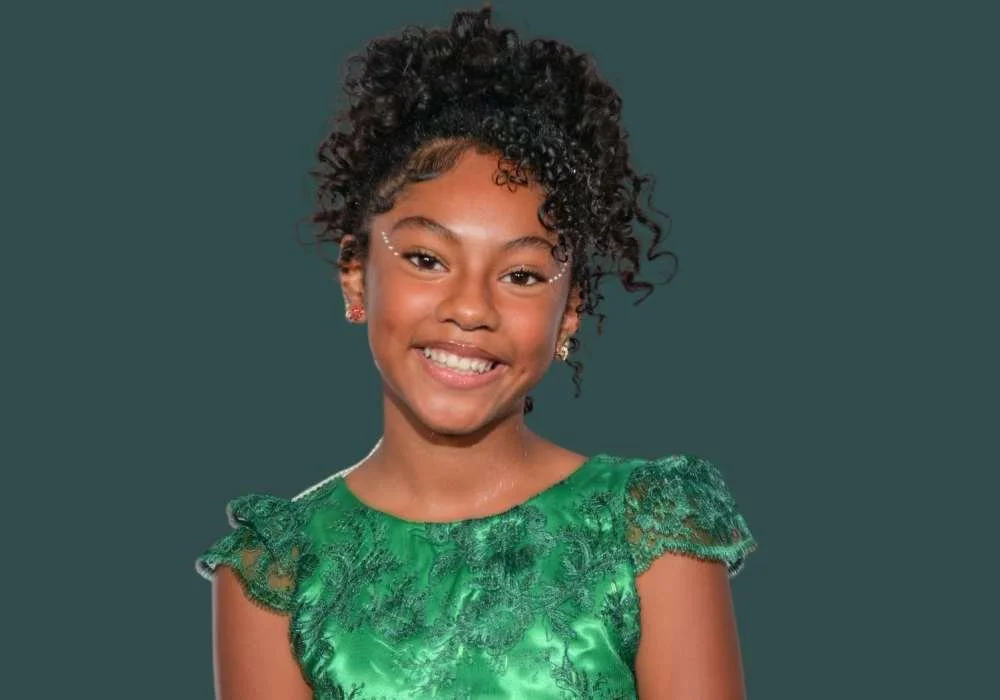
Action/Sci-fi/Thriller: Ava Threat (The Day Before Christmas) has joined the cast of Apple’s science fiction feature Liminal, in which she will appear alongside Paul Sparks (Physical), Vanessa Kirby, and Yahya Abdul-Mateen II. The film, directed by Louis Leterrier, is an adaptation of the AWA graphic novel Telepaths by Eisner Award-winner J. Michael Straczynski, Steve Epting, and Brian Reber. Details about the specific roles that Sparks and Threat will play have not been disclosed. While the film's full plot is under wraps, it is confirmed that its premise—based on the source material—centers on a scenario in which a tenth of the world's population gains telepathic powers following an electromagnetic event.
Sophia ali - Paul Archuleta
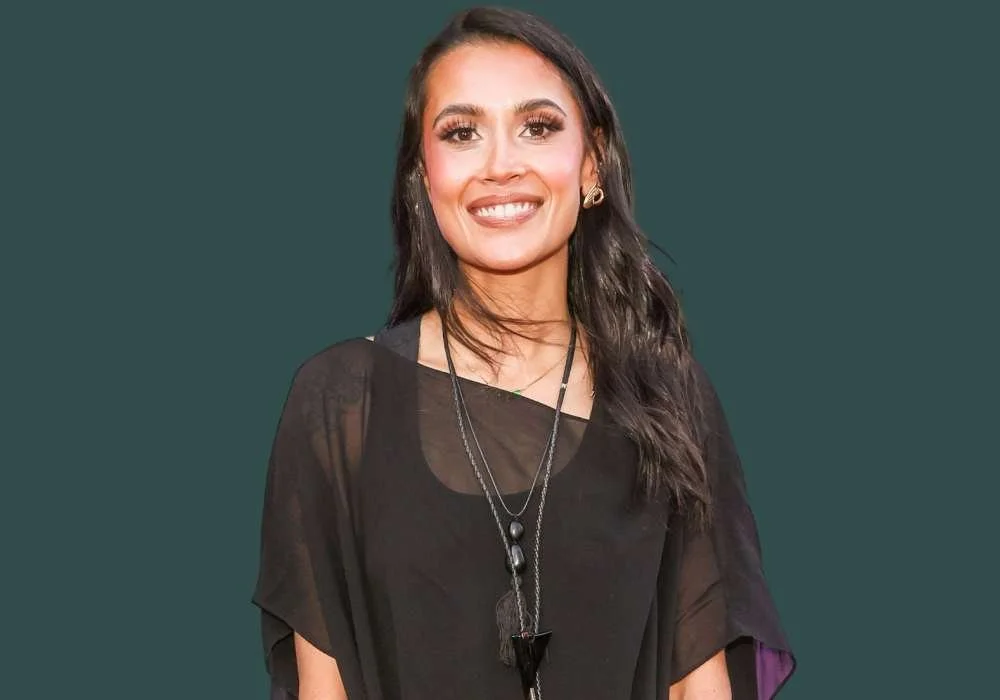
Comedy: Sophia Ali and Cedric the Entertainer star in Above the Line, a heist comedy set in the flashy world of Hollywood. Quiver Distribution has acquired North American rights from filmmaker Jeffrey Scott Collins and plans a limited theatrical release before its digital rollout on Quiver streaming on June 26, 2026. The film draws inspiration from Swingers and Pulp Fiction. The story follows six Hollywood hopefuls who aim to steal best picture awards from a producer who wronged them. Collins notes that Above the Line explores the lengths people will go to achieve success, centered in an industry where the drive to belong and feel important is strong. The film pays homage to the crime noir comedies of the ’90s. Collins expresses enthusiasm to work with Quiver and Film Mode to release the film globally.
james wan - Amanda Edwards
Industry: AI sees bluer skies but continues to stir up trouble in Hollywood. AI on the Lot has grown from a half-day conversation for 600 people in 2023 to a two-day draw for over 2,500 people in 2026. Amazon MGM Studios sponsored the event, hosting the conferences on its backlot in Culver City. Technology was largely depicted as a portal to the future, a cure to the struggling Los Angeles film sector. The key takeaways from the conference include a growing anxiety over platforms like ChatGPT and Sora 2 (OpenAI’s generative video platform).
“The skeptical view of AI is that it will ravage original IP given that models train on copyrighted material. Amazon made a splash on Day 1, announcing Prime Video greenlights for three animated series supported by a generative AI creators’ fund backed by Amazon MGM Studios and AWS.”
Humans remain central in creative processes: Screenwriter and director Paul Schrader, known for writing classics including Taxi Driver, “shared his view that AI could soon generate figures comparable to Clint Eastwood. Schrader suggested audiences may increasingly empathize with AI-generated characters.” However, several conference participants disagreed. Erwin, who has worked on real-time hybrid productions such as The Old Stories: Moses with Ben Kingsley, stated that “the human performance capture aspect is essential to his work. Cheng added that human involvement is required at every creative stage as decision-makers, emphasizing that AI should serve as an empowering tool rather than replacing writers, directors, or actors.”
The government's role in the AI debate is growing. For three decades, Section 230 of the Telecommunications Act has protected internet companies from liability for user actions. Policymakers are now questioning its application to AI companies. Most experts at the conference believe the protection will not extend. The dilemma: is the creator using AI tools responsible, or is the provider? Aron Rubin of Morrison & Foerster explained that, “if a chatbot produces unlawful output, it's hard to argue Section 230 applies, since AI contributes to its responses. Luke Arrigoni, CEO of Loti, said that case law supports this interpretation.” Abby North, president of North Music Group, questioned the need to protect AI companies. This is the newest challenge in the ongoing evolution of Section 230 for new technologies. Arrigoni noted, "It's kind of like we're in the same spot again. In 1996, we had many questions about technology, and we created a law that secured internet dominance in the U.S."
Building on the theme of regulation, guardrail legislation and advocacy are being advanced by entities such as the “No Fakes” legislation, presented by SAG-AFTRA, which is currently working its way through Congress. Other introduced legislation includes the “Take It Down Act,” which became federal law and is now being used to crack down on the spread of AI-assisted fake videos. “There’s an unusual bipartisan alignment around pushing against 230 right now,” Rubin noted. “There are reasons that people on the left don’t like it, and then there are different reasons that people on the right don’t like it. But everybody has some reason not to like it. And in fact, there’s been a lot of narrowing of the scope of protection. Section 230 protects the huge tech companies, and we all have whatever feelings we have about big tech,” Rubin declared. “This conference is sponsored by Amazon,” parried moderator Joanna Popper, CEO of Laurel Beach and a former NBCUniversal and CAA exec. “Exactly,” Rubin laughed.
Letterboxd is reportedly for sale, and new comer Intrinsic Entertainment Collaborative is interested in acquiring the social film platform. Letterboxd, through a public statement, clarified that any decision on future ownership lies with founders Matthew Buchanan and Karl von Randow, the CEO and CTO, who each hold a 20% stake. Social entrepreneur Elizabeth Joyce founded Intrinsic, which also operates Community Center, a collaborative marketing tool for independent filmmakers. In light of Letterboxd’s potential sale, she launched a crowdfunding campaign to prepare an offer. Joyce teamed with producer Ted Hope and others on Substack and social media to advocate for keeping Letterboxd independent, voicing concerns about its sale to private equity or a large corporation. Hope and Joyce, referencing Letterboxd’s community, encouraged supporters to act quickly to secure its future.
Joyce and Hope have acknowledged their plans for Letterboxd are ambitious and unconventional, highlighting their investment in the platform’s community. Hope, a former co-head of movies at Amazon Studios and an advisor to Intrinsic, noted the uniqueness of Letterboxd’s film-loving user base and praised its focus on community. He raised the concern that corporate acquisition could jeopardize this community-driven approach. Hope suggested that immediate action may be necessary to preserve Letterboxd’s founding values.
Additionally, other potential buyers are emerging. A Comcast spinoff, Versant, is also eyeing Letterboxd. Tiny has hired investment bank Liontree to analyze the market ahead of initiating a formal sale process. Tiny is a PE firm with unproblematic ownership. “I know it’s an audacious goal to try to have a mission-driven acquisition of a profitable private company from private equity. That’s an ambitious thing to attempt. What gives me confidence is the work that we’ve done over the past year, the partnerships that we’ve developed, which put us in a position to really try it,” she tells Deadline. “If it does not succeed, the importance of the conversation remains the same, which is that we need new business models in the film industry and society in general.”
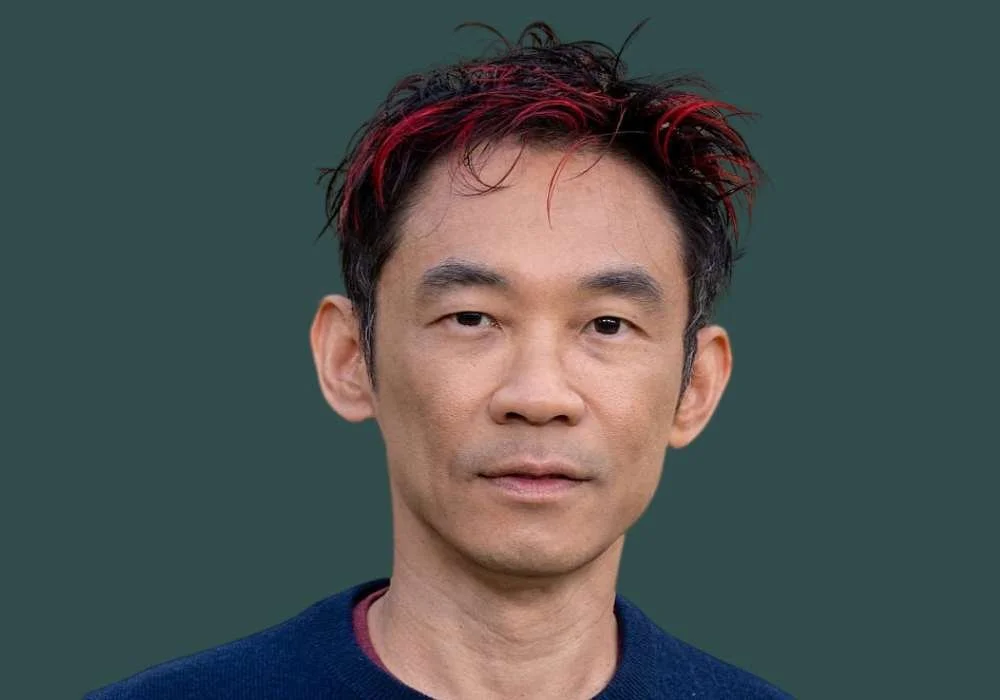
James Wan, the beloved horror director, has major plans for turning Blumhouse into “The Disney of Horror.” Although the general attitude towards the film industry remains full of doom and gloom at the moment, producers James Wan and Jason Blum are filled with nothing but gratitude towards their recent box-office giants Obsession and Backrooms. Both artists sat down with PGA president Stephanie Allien for a fireside chat at the Produced by Conference a couple of days ago. They spoke of the new “YouTube generation” of filmmakers and their belief that we’re in a very exciting moment in filmmaking. “Since Covid, there’s been this lethargic feeling around theatrical, and is it relevant anymore, and is it going to survive?” the Blumhouse chief said. “And what I think is so incredible about Obsession and Backrooms is that they’re a new kind of movie. They’re made by non-traditional directors, directors who really honed their skills as creators online.”Backrooms and Obsession, Blum said, “are edgy and weird and nuts, and to me, there’s almost this feeling of the ’70s, of this new generation of young people who are making edgy movies that are connecting in theaters in a crazy way.”
Additionally, the two filmmakers spoke of the merger of their two horror companies: Atomic Monster and Blumhouse, which was finalized over two years ago. Blum acknowledged how extremely unusual the merger may have seemed and how long it took to finalize. The pair also remarked that it was ultimately the right call because they felt their skill sets have nicely complemented each other. The idea is that “it’s two labels and one company,” he explained. “So James has his creative group, Blumhouse has our creative group, but we share everything else… In the beginning, it was a very conscious effort to keep two cultures with one P&L, and I think we’ve done a pretty good job...The strength of the combined companies, Blum said, is their ability to take their “understanding of how to harness the talent of this new generation of creators and turn it into theatrical movies, which is complicated.”
Blum also spoke briefly of the course correction Blumhouse took over a year ago, which he attributes to the success of Obsession.“We had a string of movies that didn’t perform as well as I wanted them to, and we made a bunch of internal changes in the company,” he said. “We hired Sam Zimmerman to really go back to our roots, to start looking at low-budget movies again through a different lens. Our older low-budget movies were almost never directed by first-timers, so we were looking at low-budget movies by a younger generation of filmmakers…It was a very calculated thing that we did, so it’s very satisfying to see it pay off like it’s paying off with Obsession.” Blum and Wan feel confident that their partnership will continue to be successful because they are unwilling to “get comfortable.” “What’s the aspiration?” he said. " Disney of horror’ is the aspiration in five years.”
Rosalind Eleazer has signed with WME “after wrapping the coveted titular role opposite Chris Rock in his new A24 drama Misty Green, also starring Adam Driver, Daniel Kaluuya, and Anna Kendrick.” WME will be representing Eleazer in all areas with an eye on helping the British actress expand her film and television career stateside. “On television, Eleazar is currently appearing in Season 5 of the Emmy-nominated Apple TV series Slow Horses, starring alongside Gary Oldman, Kristin Scott Thomas, and Jack Lowden.”
