

Industry Insider: How Video Podcasts Took Over The Talk Show Era
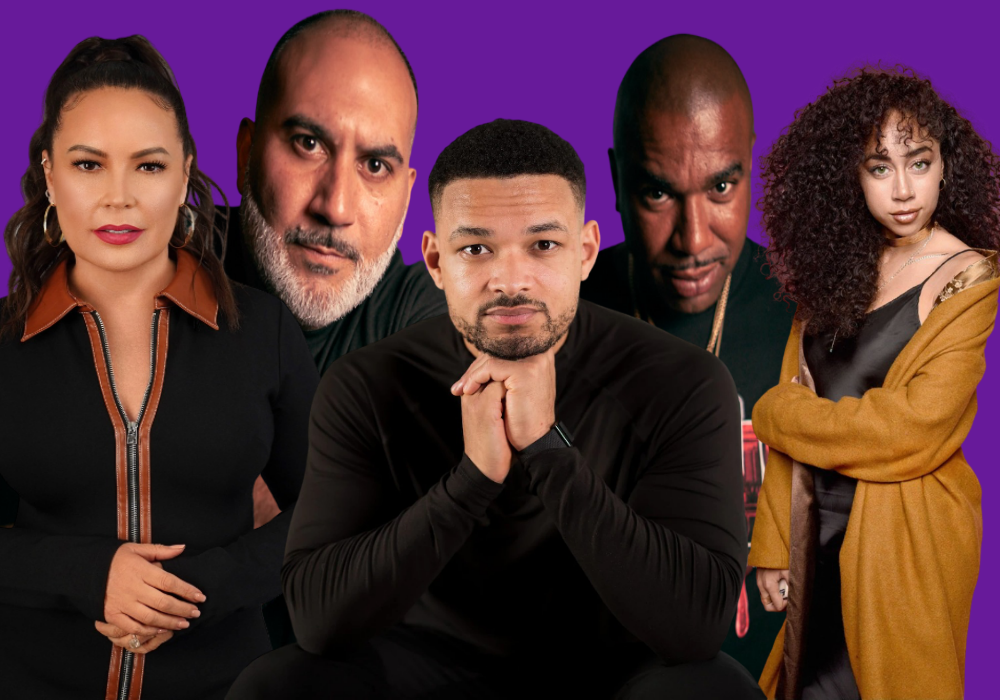
From left to right: Angie martinez, N.O.R.E., Steven Bartlett, DJ EFN, and Shan Boody - Facebook/Christopher Pledger/Kris Connor
For decades, talk shows influenced how Americans talked about themselves: Oprah Winfrey transformed afternoon TV into therapy; David Letterman turned late night into something both ironic and cool; and Arsenio Hall allowed a generation to see their music, humor, and politics reflected back at them. Those shows were once at the center of pop culture. However, the conversation has now found a new home.
As traditional talk shows lose viewers and influence, video podcasts have emerged as the new forum for lengthy and unfiltered discussions. Actors, athletes, activists, and CEOs are all building their own platforms, connecting directly with audiences, and redefining what it means to be on air.
Television talk shows are not disappearing overnight, but their decline is obvious. The Tonight Show had fallen about 41% in total viewers versus 2018–19 and The Late Show was down about 32% in the same time frame. Shows such as The Late Late Show with James Corden were cancelled due to high production costs and shrinking audiences. Daytime shows like The Ellen DeGeneres Show and Dr. Phil have also ended, signaling a generational shift in how people prefer to watch and interact.
Network talk shows rely on advertising and syndication, so they must adhere to strict creative guidelines. Segments are timed to the second, topics are pre-approved, and hosts must maintain a constant balance of authenticity and brand safety. Viewers, particularly younger ones, have grown tired of the formula. They value depth, personality, and authentic conversations.
Meanwhile, YouTube has become the primary forum for discussion. More than 70% of podcast listeners are now watching video versions of their favorite shows, with YouTube leading the way. The platform's algorithm promotes clips, full episodes, and highlights to millions of users, providing hosts with reach that traditional television cannot match.
This shift has resulted in a new business model. Unlike traditional network shows, video podcasts allow creators to have complete control over their work and income. Hosts can earn money from ads by joining the YouTube Partner Program. Many people increase their revenue streams through sponsorships, affiliate marketing, live tours, and Patreon subscription programs. Some, like The Diary of a CEO host Steven Bartlett, have grown their shows into full-fledged media companies. Bartlett's podcast will generate around $20 million in 2024 from brand deals, touring, and digital distribution. The video podcast space is based on independence rather than network control.
Beyond the money, the most appealing aspect is the freedom to be creative. Hosts are free to discuss whatever they want in their own unique style for as long as they like. A 90-minute episode about failure can air alongside a two-hour discussion about mental health. There are no commercial breaks or executive notes that cut them short.
This creative freedom has enabled creators of color to shape their own media worlds. N.O.R.E. and DJ EFN, the hosts of Drink Champs, created a show that celebrates rap history while allowing guests to express themselves freely. Their success led to collaborations with iHeartMedia's Black Effect Podcast Network and Warner Music Group's Interval Presents, which broadened their reach without transferring ownership.
Angie Martinez's IRL features candid and emotional interviews based on her established credibility in hip-hop radio. Shan Boody's Lovers by Shan engages millions of people online in candid, modern conversations about intimacy. Jay Shetty's On Purpose combines storytelling and wellness, and it has expanded into live events and best-selling books. Steven Bartlett, one of the youngest Black entrepreneurs to host a top global podcast, creates The Diary of a CEO by combining business insights and emotional honesty, resulting in something unique: a talk show that is both cinematic and personal. For these hosts, the audience is more than just a collection of viewers; it is a thriving community that supports them through views, shares, memberships, and trust.
Network talk shows hosted by people of color, such as Sherri Shepherd's Sherri, Jennifer Hudson's The Jennifer Hudson Show, and Karamo Brown's Karamo, deal with a different reality. They reach a national audience, but are still influenced by syndication and advertiser preferences. Topics are carefully chosen, segments are brief, and debate is avoided. Even shows like The View, which is known for its heated debates, must stay within corporate and advertiser guidelines.
These programs provide stability, but not creative control. The host is the public face, not the final decision-maker. In contrast, a podcast host has complete control over everything, from lighting and guest selection to episode length. When a video from Drink Champs or The Diary of a CEO goes viral on TikTok or Instagram, it can reach more people in one day than many syndicated shows do in a week.
The video podcast business thrives on multiple revenue streams:
Ad revenue from platforms such as YouTube and Spotify
Brand sponsorships that match the host’s personality
Fan subscriptions through Patreon or YouTube memberships
Merchandise and live shows that turn online engagement into real-world connection
This adaptable model encourages creativity and direct engagement with fans. Legacy television is still based on static ad sales and ratings, but a single viral moment online can instantly bring in new sponsors and global attention.
Major media companies are starting to adapt. In October 2025 Spotify and Netflix announced a collaboration to bring video podcasts to streaming, demonstrating that even the largest platforms now value creator-led content.
The rise of video podcasts is not just a change in media; it represents a cultural shift. Audiences crave honesty over performance and want creators who feel genuine instead of distant. In this new environment, power belongs to those who own their stories rather than the networks that frame them.
For many years, talk shows were the place to be seen. Today, the most authentic conversations take place online, in living rooms, studios, and rented spaces all over the world. They're raw, imperfect, and frequently more authentic than anything on television. The talk show hasn't disappeared. It just changed shape. It wears headphones, streams videos on YouTube, and speaks directly to the audience.
