

Industry Insider: The Oscars Go YouTube
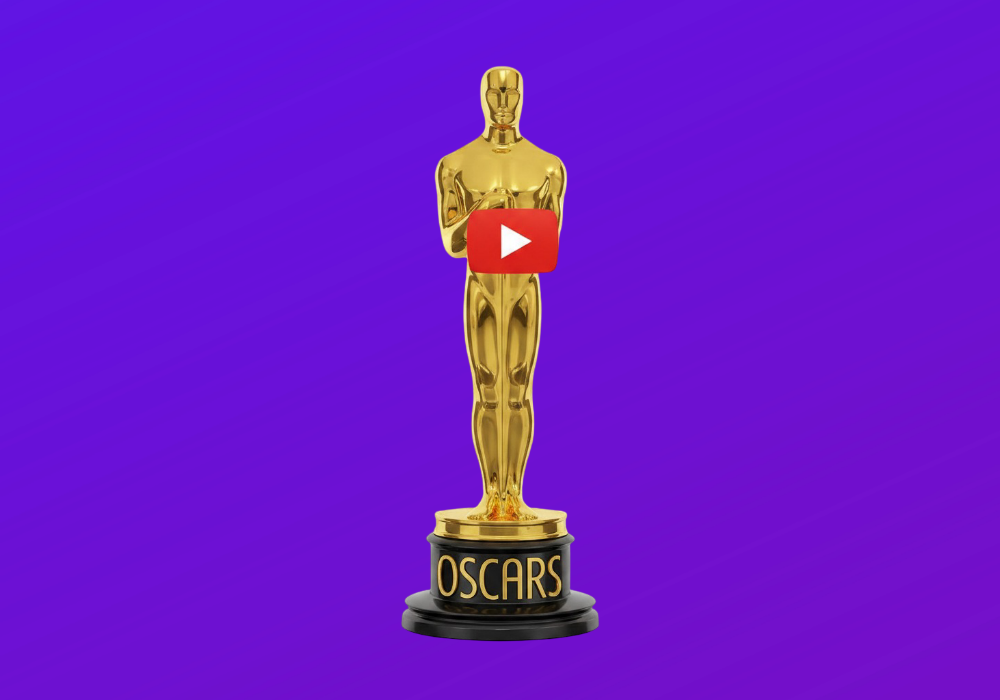
In 2029, the Academy Awards will no longer be broadcast on television and will instead be streamed live on YouTube for free. That single shift captures the future economics of premium live entertainment.
The Academy of Motion Picture Arts and Sciences has signed a multi-year agreement that gives YouTube exclusive global rights to the Oscars, beginning with the 101st ceremony in 2029 and running until 2033. The show will be available live and free on YouTube worldwide, with YouTube TV subscribers in the United States receiving multilingual audio tracks, closed captioning, and expanded digital programming. The emphasis on "free" access isn't a charitable act. It indicates that the Academy is abandoning one legacy monetization system in favor of a larger, more adaptable one.
From a business standpoint, the move reflects a breakdown in the economics of broadcast television. ABC, which had broadcast the Oscars for decades, reportedly attempted to retain the ceremony but ultimately walked away rather than overpay for rights that had become more difficult to justify financially. While the Oscars remain one of the few live events that continue to attract large audiences, the margins have narrowed. Rising production costs, fragmented viewership, and advertiser caution have made it increasingly difficult for broadcast networks to reap the same benefits from prestige programming as in the past.
The audience's story is nuanced. Recent Oscar ceremonies have shown signs of life, with U.S. viewership rebounding to nearly 20 million viewers in 2025 across linear and streaming platforms. That figure is a significant improvement over the post-pandemic lows, but it still pales in comparison to the ceremony's late-1990s high, when more than 50 million Americans watched. The Oscars can still be boosted when the cultural conversation aligns, but they no longer benefit from structural guarantees of widespread attention.
In contrast, YouTube has quietly emerged as the dominant television platform in the United States and many other markets. On connected TVs, YouTube now accounts for more viewing time than any single broadcaster or cable network, and streaming in general has surpassed broadcast and cable combined. This transition is critical. The Academy is not simply transitioning from television to the internet; it is moving to where "TV" already exists for younger and more mainstream audiences.
Just as importantly, YouTube provides an advertising model that broadcast television cannot match. Traditional broadcasters sell a limited number of national ad slots at high prices that are largely untargeted and U.S.-focused. YouTube can position the Oscars as a global, addressable advertising product. Ads can be tailored to the country, language, device type, and demographic segment. Multilingual audio feeds do more than just improve accessibility; they also create parallel advertising inventories across regions, significantly expanding the total pool of potential buyers.
Live streaming capability is no longer a hypothetical advantage. YouTube has already demonstrated its ability to handle massive live events, ranging from sports to creator-driven tentpoles, while maintaining both scale and monetization. Live ad insertions, dynamic mid-rolls, and premium sponsorship placements can coexist in a way that reflects broadcast scarcity while also incorporating programmatic efficiency. For advertisers, this means measurable reach, frequency control, and brand lift metrics, which television panels struggle to deliver.
Perhaps the most significant strategic shift is that the Oscars will no longer be viewed as a one-night event. The agreement includes nominations announcements, red carpet coverage, Governors Awards, Student Academy Awards, and a variety of year-round programming relating to the Academy's archives and museum initiatives. This transforms Oscar season into an ongoing content cycle rather than a single telecast. The ceremony serves as the apex of a much longer funnel that gradually increases audience engagement, advertiser touchpoints, and brand relevance.
In terms of monetization, the most immediate change will be to advertising packages. YouTube can replicate the scarcity of traditional Oscar ad buys by offering presenting sponsorships, category sponsorships linked to major awards, exclusive placements during high-attention moments, and premium connected-TV inventory during the live broadcast window. Underneath those high-value slots, the platform can sell additional impressions dynamically, maximizing yield while maintaining prestige.
Global ad sales are another significant unlock. Under broadcast distribution, the Oscars were primarily a US advertising event. On YouTube, they reach a global audience. Regional brands, multinational advertisers, and local sponsors can all participate at different price points based on their respective markets. This elevates the Oscars from a domestic showcase to a truly global advertising platform.
YouTube's native commerce infrastructure adds a layer of monetization that broadcast television has never fully realized. Fashion, beauty, jewelry, and luxury brands can incorporate shoppable elements using QR codes, second-screen prompts, or direct links. Studios can promote nominated films through localized ticketing options. Official Oscars merchandise and limited-edition collaborations can convert attention into sales in real time, rather than relying solely on brand recall.
