

The Best and Worst Of 2025 Entertainment
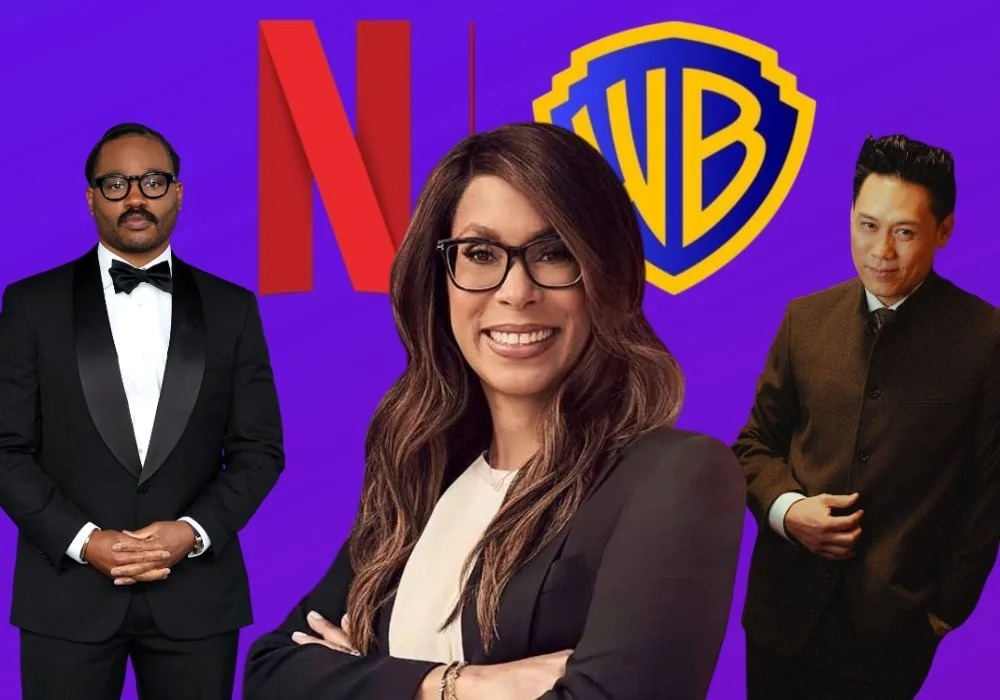
In 2025, stark contrasts shaped the entertainment sector. While some businesses performed exceptionally well financially, others found it difficult to adapt to changing customer preferences and growing operational demands. The difference between the year's biggest successes and most noteworthy failures felt more noticeable than ever as streaming models changed, advertising strategies recalibrated, and consolidation reshaped the landscape.
New technologies sped up audience movement throughout the industry, and companies that adjusted quickly found space for significant expansion. Others became examples of how quickly momentum can change in an industry still looking for a stable footing following the peak-streaming boom due to stalled strategies or expensive miscalculations.
The business outcomes that characterized 2025 are the exclusive focus of this year's "Best And Worst In Entertainment" column. Instead of highlighting particular artists or artistic accomplishments, the objective is to show where businesses made quantifiable progress, where they failed, and what those outcomes mean for entertainment economics going forward.
After establishing that framework, we proceed to the list of the year's most noteworthy achievements, as well as its most instructive setbacks.
Film
Amy Sussman
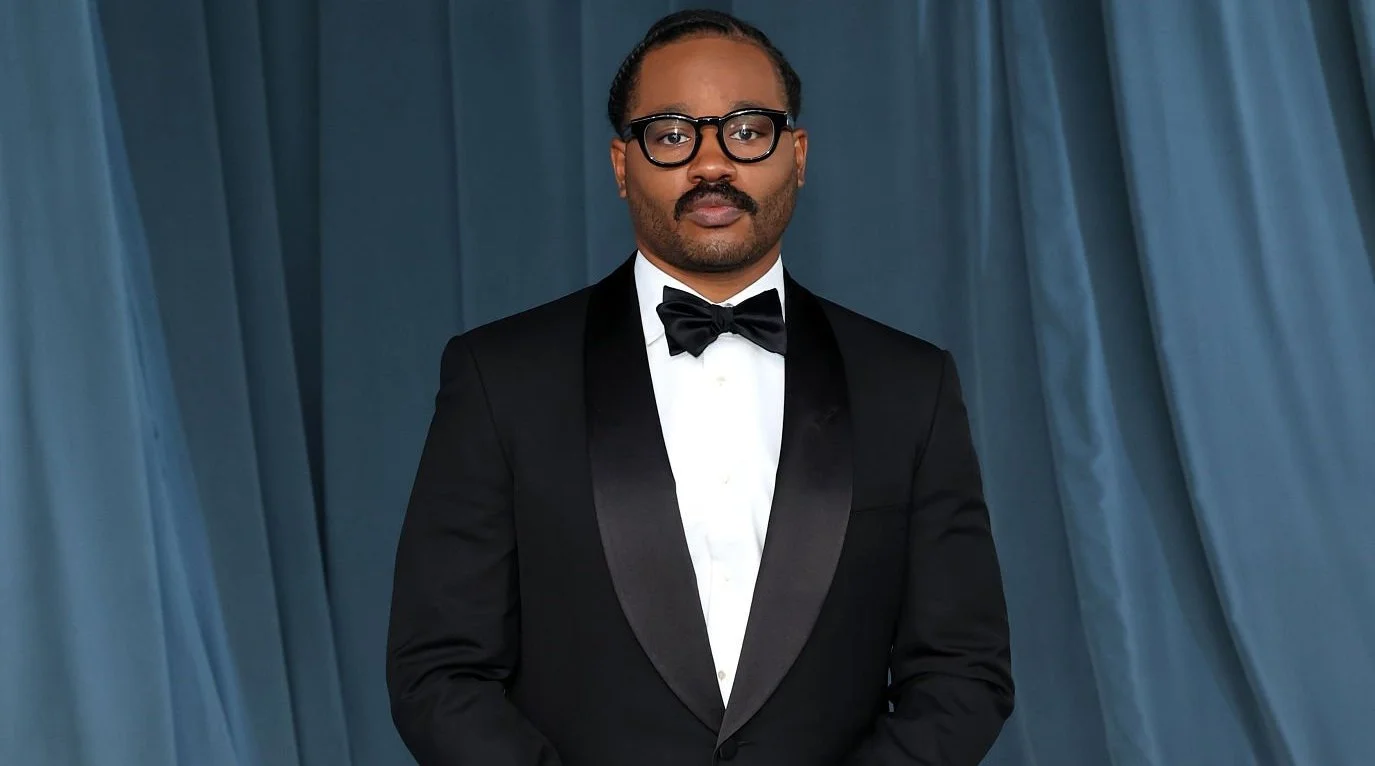
Best: Sinners is a box office hit, and Ryan Coogler secures the rights to his film.
Sinners ended its run with $279.65 million at the domestic box office and $88.30 million abroad, for a total of $367.95 million worldwide, making it one of the most successful theatrical productions of 2025. Despite a $90 million production budget and an estimated $50–60 million worldwide marketing expenditure, the film produced a strong theatrical profit margin and significantly outperformed standard mid-budget thrillers. It was one of Warner Bros.' most dependable earners of the year due to its steady weekly holds and high attendance in both premium and standard formats.
The film's long-term business outlook was also altered by its financial success. Ryan Coogler obtained full rights to Sinners after the film's successful theatrical run, granting him ownership and control over any future IP extensions, such as sequels, streaming licensing, and downstream revenue opportunities. Sinners is a unique example of an original, director-driven project competing at franchise scale, with a global box office multiple of more than four times its production cost. This is a clear victory for Warner Bros. and Coogler in a year marked by cautious studio spending and IP consolidation.

Rick Wenner
Best: Jon M. Chu’s sequel to Wicked, Wicked: For Good, cements him as the go-to person of color director to bring in the box office for big-budget films.
With the release of Wicked For Good, which produced a strong theatrical performance in a difficult market, Jon M. Chu solidified his reputation as one of Hollywood's most dependable big-budget directors. With $314.38 million in domestic revenue and $157.67 million abroad, the sequel's global total came to $472.05 million. Despite having a $150 million production budget, the film showed that there is a strong demand for large-scale musical storytelling worldwide, a genre that many studios have recently found difficult to consistently profit from.
From a business standpoint, the film's success reaffirmed Chu's worth as a director who can oversee expensive projects and still produce strong box office profits. He was one of the few directors of color consistently given nine-figure budgets because of his capacity to attract large, cross-demographic audiences and sustain premium-format engagement. Wicked: For Good provided more proof that Chu's projects continue to surpass expectations in a year marked by unpredictability in franchise filmmaking, enhancing his standing as a financially viable event filmmaker.
Disney
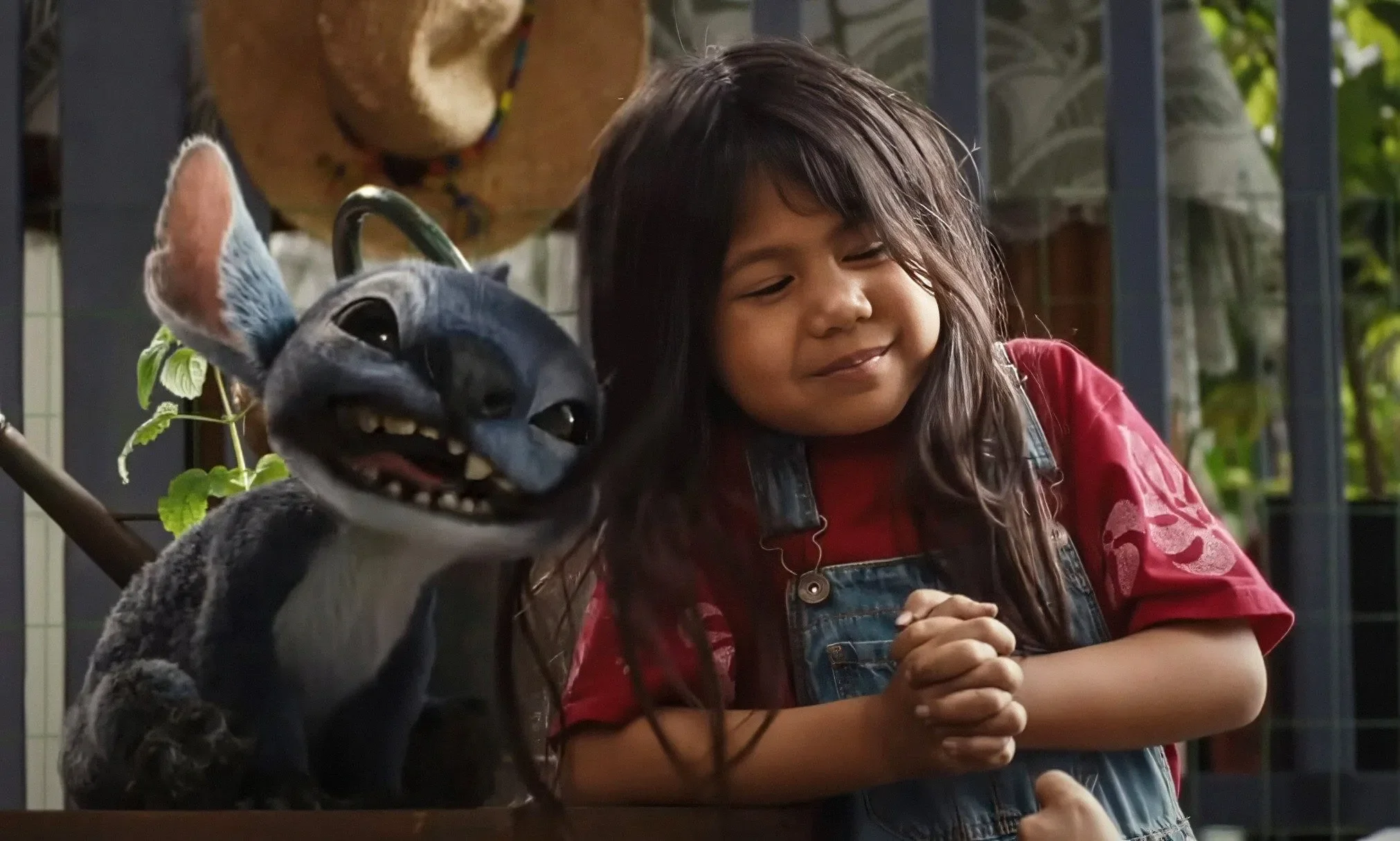
Best: Lilo & Stitch make $1 billion in box office.
The live-action Lilo & Stitch, a rare non-franchise remake to surpass $1 billion at the global box office, was one of Disney's biggest successes of 2025. During its theatrical run, the film made $423.78 million domestically and $614.25 million abroad, totaling $1.038 billion worldwide. The film was one of the year's most commercially successful large-scale releases, with a $100 million production budget and about $100 million spent on international marketing.
Disney's estimated box office return was approximately $518.5 million using the industry-standard 50-50 theatrical revenue split. The studio made about $318.5 million in profit before residuals and additional backend expenses after deducting the $200 million spent on marketing and production. Lilo & Stitch produced one of Disney's most financially successful films of the year and confirmed the commercial viability of the company's family-focused remakes in a time when only few films reach billion-dollar grosses.

marvel studios
Worst: The Anthony Mackie-led Marvel film Captain America: Brave New World flops at the box office.
Captain America: Brave New World fell well short of expectations for a major franchise release and was one of Marvel's most obvious failures of 2025. The film made $200.5 million at home and $213.14 million abroad, for a total of $413.64 million. Disney's projected return from the theatrical run falls to about $206.8 million after applying the industry-standard 50% revenue split with theater owners. This amount is much less than what is required to cover the project's substantial production and international marketing expenses.
Despite the strength of the Captain America brand, the film had limited staying power, with soft audience ratings and low premium-format engagement hastening its demise. From a business standpoint, the financial shortfall highlighted Marvel's mounting challenges, including declining enthusiasm for legacy character transitions, franchise fatigue, and an increasingly crowded blockbuster schedule. The film was supposed to launch a new narrative arc and merchandising cycle, but its underperformance revealed Marvel's dwindling box office reliability in 2025 and raised concerns about the studio's long-term franchise strategy.
TV & Streaming
ESPN
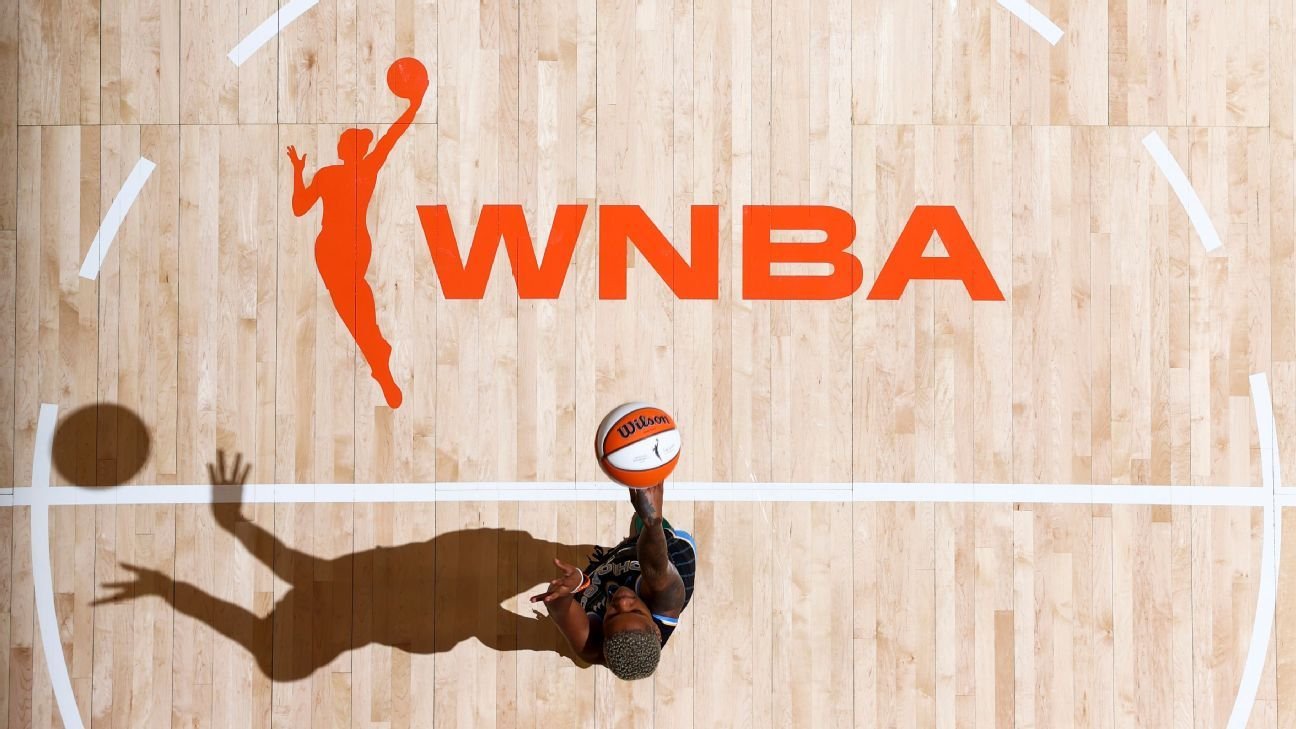
Best: The WNBA had a record-breaking 2025 season in terms of viewership
The WNBA had its most-watched season on record in 2025, setting new records for regular-season and postseason broadcasts and highlighting women's basketball's growing commercial appeal. Across 25 regular-season games on ESPN networks, the league averaged 1.3 million viewers per game, a 6% increase year on year and the highest regular-season viewership on those platforms. The full slate of 49 national telecasts averaged approximately 1.2 million viewers, also a record, indicating sustained interest in WNBA content throughout the season.
The WNBA postseason maintained that momentum. The playoff games averaged about 1.2 million viewers, up from the previous year, and the Finals series averaged around 1.5 million viewers per game, making it one of the most-watched championship stretches in league history. Game 1 of the Finals alone drew nearly 1.9 million viewers, making it the most-watched WNBA Finals opener in nearly three decades.
These viewership gains translate into increased bargaining power with broadcasters and sponsors, higher media rights valuations, and deeper national penetration for the league's brands. In a year when many sports properties struggled to maintain audience share, the WNBA's record-breaking ratings growth reflected not only broader mainstream interest, but also a growing appetite among advertisers and partners to invest in women's professional basketball.
Best: The FAST channel Tubi’s original series Boarders continues to be a hit and has been renewed for a third season.
Tubi scored a significant win in 2025 as its original series Boarders continued to perform well on the FAST platform, earning a third season renewal and bolstering the service's growing reputation as a source of original scripted content. While FAST platforms rarely provide detailed audience metrics, renewals are still one of the most reliable indicators of success in the ad-supported ecosystem. Adding Boarders to Tubi's on-demand and linear FAST environments resulted in sustained viewer engagement, high completion rates, and advertiser-friendly results.
Boarders demonstrated the strategic benefits of original programming on FAST platforms. Tubi was able to generate repeat viewing and long-term library value by monetizing through advertising rather than subscriptions, thanks to significantly lower production costs than traditional cable or streaming originals. In a year when paid streaming services reduced scripted spending, Boarders demonstrated how FAST originals can deliver consistent returns, strengthen platform identity, and attract both viewers and advertisers, making it one of Tubi's most significant 2025 successes.
CBS
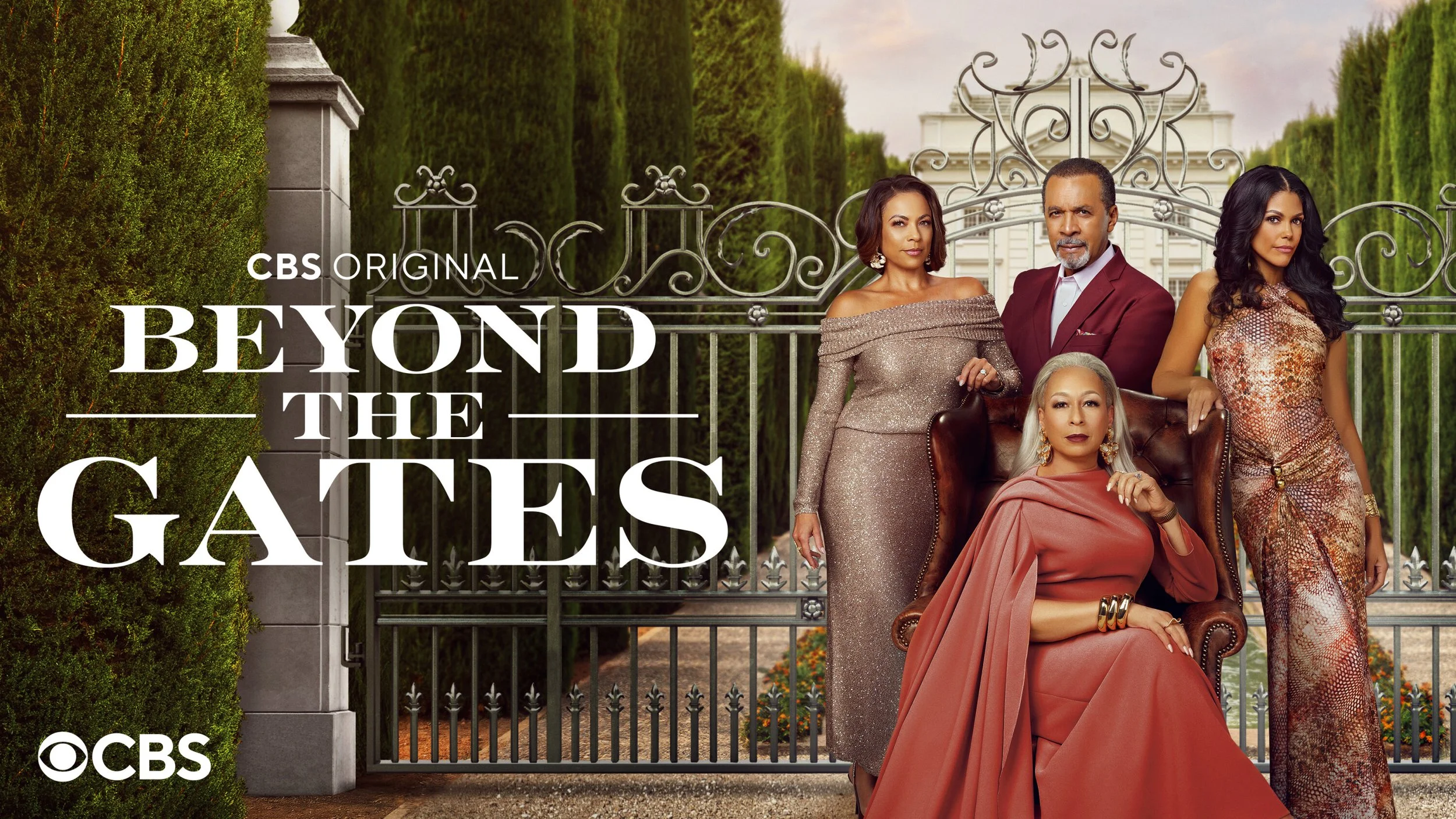
Best: The new daytime soap opera Beyond The Gates, the first created by an African American with a mostly African American cast, is a ratings hit in the key demos of 18-49 and 25-54 and is renewed for a second season on CBS.
In 2025, CBS achieved a rare daytime success with Beyond The Gates, the first new daytime soap in more than two decades, created by an African American, and starring a predominantly African American cast. The series debuted with strong momentum, averaging approximately 2.28 million total viewers in its first week and posting competitive ratings in the key 18-49 and 25-54 demographics—including roughly a 0.25 rating in Women 18-49 and a 0.39 rating in Women 25-54—outperforming expectations for a new daytime entry and improving on the time period it succeeded.
As the year progressed, viewership normalized but remained stable, settling between 1.5 and 1.6 million viewers by late 2025, a strong performance for daytime television in the face of broader audience decline across broadcast. That consistency in total viewers, combined with continued strength in advertiser-prized demos, influenced CBS's decision to renew the show for a second season. Beyond The Gates demonstrated how fresh storytelling and inclusive casting can deliver both cultural impact and commercial value, providing CBS with a long-term daytime asset in a shrinking, but still profitable segment of the television market.

Amazon Prime Video
Worst: Daniel Dae Kim’s Butterfly was cancelled after one season.
Daniel Dae Kim's Butterfly was canceled after one season, not because of poor performance, but because it failed to reach Amazon's desired global audience size. The series did well domestically on Prime Video, spending several weeks near the top of the US streaming charts and peaking at #6 on Nielsen's Top 10 Streaming Originals. It also experienced post-cancellation momentum, briefly rising to #3 globally on Prime Video's TV charts, indicating strong interest among late-discovering viewers.
The show's domestic success was bolstered by positive audience reactions. Butterfly received an 83% audience score on Rotten Tomatoes' Popcornmeter, far exceeding its critical reception and indicating high viewer satisfaction. But the series did not meet Amazon's internal global viewership thresholds for renewal. Butterfly's domestic success was insufficient to justify continued operation in a 2025 streaming environment dominated by global scale rather than regional performance.
Business
alexander shatov
Best: Netflix rakes in the dough and reaches a subscriber milestone.
Netflix capped 2025 as one of the entertainment industry's most commercially successful years, cementing its global streaming dominance. The company surpassed 301.6 million paid subscribers worldwide, cementing its position as the largest streaming service by subscriber count in more than 190 countries.
That milestone coincided with significant financial growth. Netflix reported $11.51 billion in revenue in the third quarter of 2025, up roughly 17% year on year, and the company maintained strong profitability, with net income in the billions of dollars. These results reflected higher average revenue per member, price adjustments, and rapid adoption of its advertising tier, which has become the platform's primary growth engine.
Reaching over 300 million global subscribers while expanding revenue and monetization channels cemented Netflix's status as the industry's most commercially resilient global platform. In an increasingly crowded streaming landscape, the company's ability to increase both paid subscribers and top-line revenue helped it become one of 2025's most significant entertainment success stories.
Best & Worst: Skydance completes its acquisition of Paramount Global, but the future of the media conglomerate is still up in the air.
Skydance's acquisition of Paramount Global was one of 2025's most significant media transactions, putting an end to months of market speculation and providing immediate financial stability to a troubled legacy media company. The transaction, which included assumed debt, valued Paramount at around $28 billion and put a combined enterprise with significant content libraries, theatrical franchises, and broadcast/cable infrastructure under private ownership. Skydance benefits from the deal's strategic scale, which is expected to unlock synergies through cost rationalization and cross-platform content monetization, potentially saving hundreds of millions of dollars per year by streamlining overlapping operations.
The acquisition gives Paramount access to Skydance's private capital and operational flexibility, potentially accelerating investment in high-ROI franchises while repositioning underperforming assets. Analysts have described the deal as a necessary reset for Paramount, which had previously reported declining linear ad revenue and ongoing streaming losses. The merger also increases bargaining power with distributors and advertisers, allowing the combined company to better compete with well-funded rivals in film and streaming.
However, the business still contains some degree of risk. Paramount enters 2026 with significant debt service obligations, and its streaming division continues to compete in a crowded market where subscriber growth is costly and unpredictable. The future of Paramount+ is a particular flashpoint: the platform requires sustained global expansion to justify its content spend, but it faces stiff competition from established players. Legacy cable networks, which were once cash cows, continue to lose subscribers faster than cost structures can adjust. In this light, while Skydance's acquisition resolved ownership uncertainty, it also raises questions about Paramount's ability to execute the ambitious turnaround required to generate consistent profit in a consolidating media ecosystem.
Mixed: Warner Bros. Discovery is acquired by Netflix.
Netflix's announcement to acquire Warner Bros. following the separation of Warner Bros. Discovery's Global Networks division was one of the most significant business moves in entertainment in 2025. Netflix agreed to buy Warner Bros.' film, television, and streaming assets, including HBO Max and major studio operations, for a total enterprise value of approximately $82.7 billion (equity value of $72.0 billion) in a cash-and-stock transaction. Warner Bros. Discovery shareholders will receive $27.75 per share under the agreement. The transaction is expected to close after Discovery Global is spun off as a separate, publicly traded company in the third quarter of 2026.
The acquisition instantly expands Netflix's content library with one of Hollywood's most extensive portfolios, combining Netflix originals with Warner Bros.' iconic franchises and HBO's premium programming. This expanded catalog enables Netflix to compete more effectively on a global scale by bringing together streaming and studio operations that were previously separated into multiple companies. The deal's structure as cash and stock also helps to share risk and aligns long-term incentives for legacy Warner Bros. stakeholders with Netflix's growth strategy.
The transaction also raises significant uncertainties and challenges. Regulatory approval remains a significant challenge, as antitrust scrutiny could delay or reshape the transaction due to its size and potential market impact. The complexity of integrating two massive businesses—spanning film production, streaming, and global distribution—increases execution risk. While the agreement now establishes terms, the full financial and operational payoff is contingent on Netflix's ability to maintain both Netflix's core service and Warner Bros.' legacy theatrical and studio operations in a rapidly changing media landscape.
Netflix's acquisition of Warner Bros. is both a bold strategic expansion and a significant gamble—one that has the potential to redefine the future of global entertainment, but one that will face execution and regulatory challenges before its full value is realized.
Executive On The Move: Channing Dungey
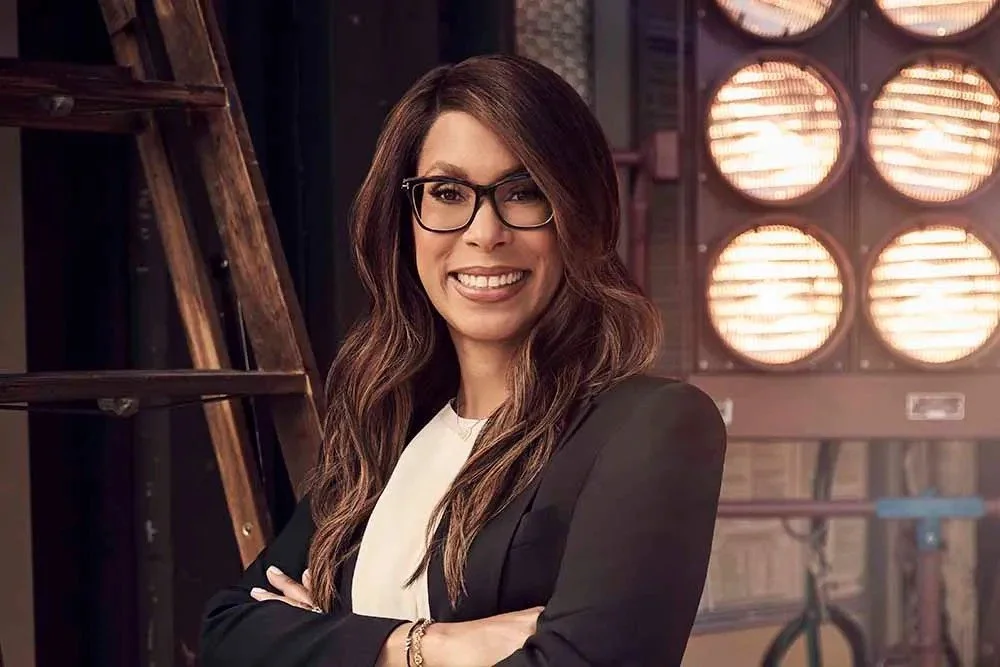
Warner Bros. Discovery
Channing Dungey significantly expanded her influence within Warner Bros. Discovery in early 2025, when she took over leadership of the company's U.S. Networks business while remaining Chairman & CEO of Warner Bros. Television Group. The move put Dungey at the helm of both content creation and distribution, giving her control over a significant portion of the company's traditionally linear television operations at a time when those assets are under intense strategic scrutiny.
This expanded mandate gave her control over dozens of major cable and broadcast networks, including Discovery Channel, HGTV, Food Network, Cartoon Network, TBS, TNT, OWN, and others. Together, these networks account for a sizable portion of the remaining linear TV ecosystem, generating significant advertising revenue despite long-term cord-cutting pressures. Entrusting Dungey with this portfolio demonstrated the company's belief in her ability to stabilize, modernize, and extract value from legacy platforms while aligning them with larger corporate priorities.
At the studio level, Dungey continued to manage one of the industry's most prolific production engines. WBTVG produced over 80 distinct projects across nearly 20 platforms under her leadership, including streaming services, broadcast networks, cable outlets, and local stations. That scale is notable in an era when many studios are shrinking slates and reducing volume, demonstrating Dungey's ability to balance creative ambition and operational complexity.
The breadth of the slate also demonstrated Dungey's versatility as an executive. WBTVG produced scripted dramas and comedies, unscripted and reality programming, and animated content, necessitating coordination across multiple production cycles, budgets, and audience strategies. Few executives in 2025 maintained active oversight across so many genres and platforms at once, making Dungey's role unusually broad by modern standards.
Dungey's growing influence was most visible at Warner Bros. Discovery's 2025 upfront presentation, where she unveiled a strong lineup across the networks she oversees. Highlights included Octavia Spencer's Food Network cooking competition series, as well as Guy Fieri's Guy’s Flavortown Games, which reinforced the network's emphasis on personality-driven programming. Discovery's slate included a Shark Week special, and Investigation Discovery announced a new true-crime series narrated and executive-produced by Jennifer Love Hewitt, indicating a continued investment in established nonfiction categories.
The upfront also focused on scripted ambition within the linear ecosystem. Dungey previewed a high-stakes historical limited series for TNT, as well as the debut of a breakout medical drama from WBTVG, which will premiere on TNT before streaming on HBO Max. That dual-window strategy demonstrated how Dungey is using linear networks as launchpads rather than endpoints, generating awareness before extending content into streaming ecosystems.
At the same time, she announced the return of several established hits in the food, home renovation, lifestyle, and animation categories, which continue to deliver consistent ratings and advertiser value. By balancing new launches with established franchises, Dungey reinforced a portfolio strategy aimed at reducing risk while maintaining audience loyalty across networks undergoing structural change.
Looking ahead, Dungey's role becomes even more important as Warner Bros. Discovery prepares to split into Global Networks and Studios & Streaming in 2026. Dungey will continue to lead WBTVG within the Studios & Streaming division, retaining her core creative and production authority despite the larger organizational restructuring. Her consistency ensures that content output remains stable at a time when restructuring is frequently disruptive.
Dungey's expanded remit in 2025 solidified her position as one of the most powerful television executives of her generation. Her leadership exemplifies a unique set of skills: managing high-volume studio production, overseeing diverse content across genres and platforms, and simultaneously guiding both production and network distribution businesses. In a year marked by consolidation and recalibration, Channing Dungey's rise stood out as a calculated bet on proven leadership and long-term creative success.
